
Aug 7, 2026Construction Formwork Plywood
Application of Construction Plywood Formwork | Complete Industry Guide
Learn the wide application of construction plywood formwork in building projects, its core advantages, usage scenarios, and selection tips for concrete pouring construction.
Introduction
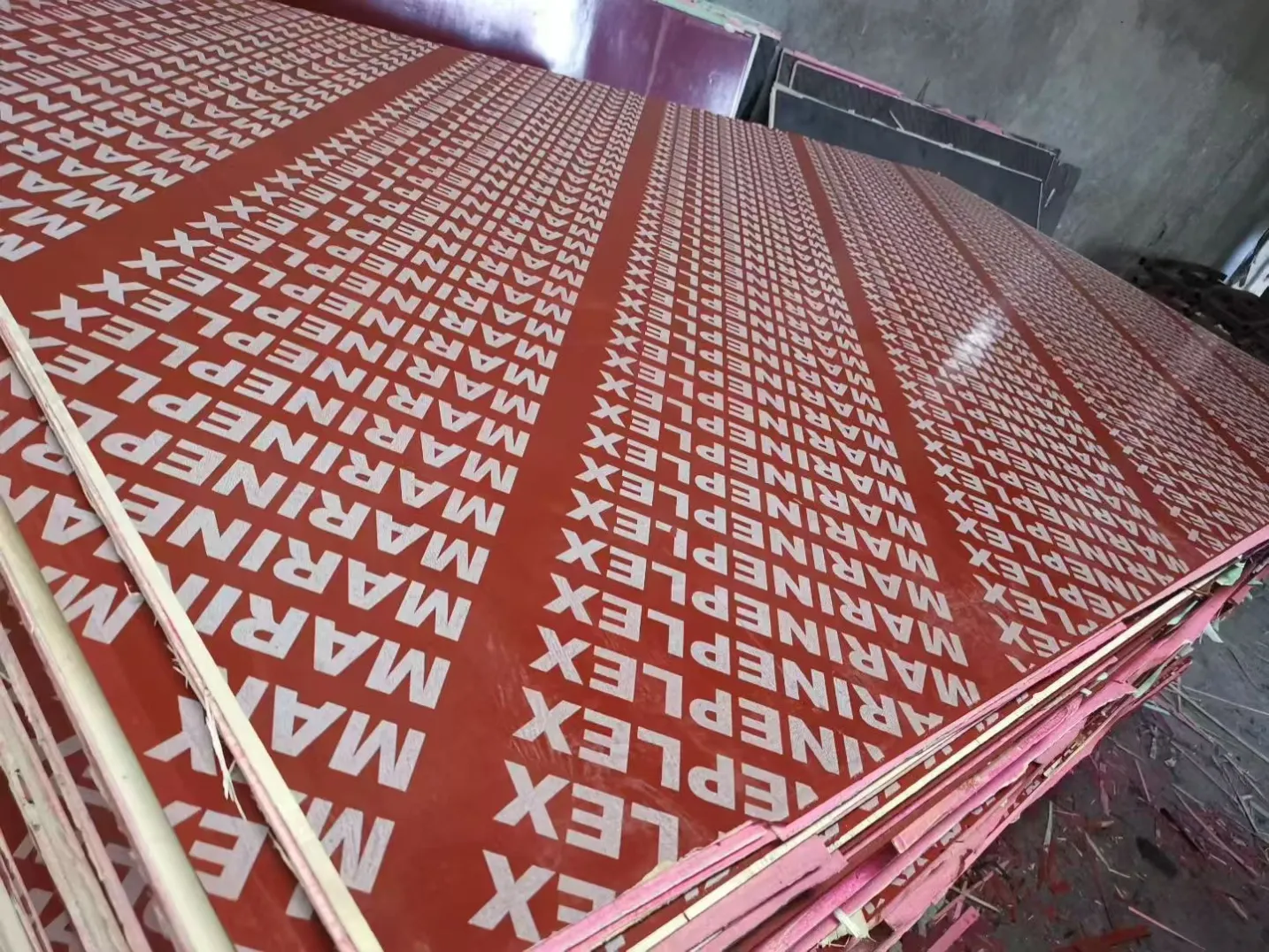
Construction plywood formwork, also known as building plywood or concrete formwork plywood, is an essential temporary structural material in modern building construction. It replaces traditional steel formwork and ordinary wood boards with superior flexibility, cost performance, and concrete molding effects. As a core building material for concrete pouring projects, construction plywood formwork is widely used in residential buildings, commercial buildings, bridges, tunnels, and infrastructure engineering. This article comprehensively introduces the application scenarios, core advantages, and construction standards of construction plywood formwork to help engineering contractors and purchasers optimize material selection and construction efficiency.
1. Core Application Scenarios of Construction Plywood Formwork
Residential & Commercial Building Construction: This is the most common application of construction plywood formwork. It is used for concrete pouring of building walls, floors, columns, beams, and staircases. The smooth surface of plywood ensures flat concrete surfaces without rough pores, reducing secondary polishing and repairing work and greatly improving construction progress.
Bridge & Tunnel Engineering: High-strength waterproof construction plywood formwork is suitable for large-scale bridge decks, tunnel walls, and viaduct concrete pouring. Its cross-layer structure provides strong bearing capacity and pressure resistance, adapting to high-pressure concrete pouring environments and avoiding formwork expansion or leakage.
Infrastructure & Water Conservancy Projects: Construction plywood formwork is widely used in water conservancy dams, sewage pools, culverts, and road infrastructure. Waterproof and corrosion-resistant construction plywood can adapt to humid outdoor construction environments and ensure stable molding quality of concrete structures.
High-Rise Building Projects: Lightweight and high-rigidity plywood formwork is ideal for high-rise building construction. It is easy to transport, assemble, and disassemble, effectively reducing construction load and improving the turnover rate of formwork materials.
2. Unique Advantages in Construction Applications
Excellent Concrete Molding Effect: Construction plywood formwork has a flat and smooth surface. After concrete solidification, the surface is smooth and uniform, with no obvious seams or pits, which meets the high-standard decoration requirements of modern buildings and saves construction costs.
High Turnover Rate & Cost Saving: High-quality construction plywood formwork can be reused 8–15 times, far more than ordinary wood formwork. It effectively reduces the overall material cost of engineering projects and improves construction economic benefits.
Lightweight & Easy Construction: Compared with heavy steel formwork, plywood formwork is lightweight and flexible, easy to cut, drill, and assemble on site. It shortens construction cycle, reduces labor intensity, and adapts to complex building structure molding.
Strong Stability & Deformation Resistance: The cross-grain layered structure of construction plywood effectively resists concrete lateral pressure, avoiding formwork bulging, deformation, and slurry leakage during pouring, ensuring construction safety and structural accuracy.
3. Professional Selection & Usage Tips for Construction Plywood Formwork
For different construction scenarios, targeted plywood formwork selection is required. For ordinary indoor building projects, standard 12mm–15mm thick construction plywood is sufficient. For large-span bridges and high-load projects, 18mm–20mm thick high-strength waterproof plywood is recommended. For humid outdoor and water conservancy projects, choose phenolic waterproof coated plywood to enhance water resistance and corrosion resistance. In addition, standardized installation and scientific maintenance can effectively extend the service life of construction plywood formwork.
Conclusion
Construction plywood formwork has become an indispensable core material in modern civil engineering, infrastructure and commercial construction, thanks to its smooth concrete molding effect, high reuse turnover rate, cost-saving performance and strong structural stability. It adapts to various complex pouring scenarios of buildings, bridges, tunnels and water conservancy projects, effectively improving construction efficiency and reducing project comprehensive costs. Our factory provides high-strength waterproof construction plywood formwork with complete thickness specifications, strict waterproof and pressure-resistant treatment, and stable quality for engineering bulk orders. We support project customization, fast delivery and one-stop construction material solutions. Contact us now to get the latest wholesale price list for construction plywood formwork.